

Understanding Your Energy Bill: What You're Really Paying For

October 14, 2025

"A Simple Guide to Understanding the Supply Charges on Your Electricity Bill"

A power plant at dusk, with smoke stacks, transmission towers, and illuminated substations providing electricity.

Let’s face it—energy bills can be confusing. Between acronyms, fluctuating charges, and line items you didn’t even know existed, it’s easy to feel overwhelmed. But here’s the good news: once you understand the basics, it all starts to make sense. 


With 18 years of experience in the energy industry, we’ve helped thousands of customers decode their bills and make smarter energy choices. In this post, we’ll break down the supply portion of your energy bill. This is the part that covers the cost of generating electricity and transmitting it to your local utility, which then distributes it to your home or business. 


The first part of your energy bill we will cover is the raw power charge.


1. Raw Power Charge: The Electricity Itself 


This is the core cost of electricity supply—what your supplier pays to generate or purchase energy from the wholesale market. It’s like the base ingredient in a recipe. 


Several factors influence this charge: 


  • Fuel prices (natural gas, coal, renewables) 
  • Weather conditions (which affect demand and generation) 
  • Market dynamics (supply and demand fluctuations) 
  • Regional generation mix (how much comes from solar, wind, etc.) 


This charge, which is part of the total supply cost, includes what most of us know as the kWh charge and can vary from month to month. 


2. NITS Charge: Network Integration Transmission Service  


Ever wonder how electricity gets from a power plant to your community?

That’s where the NITS charge comes in.   


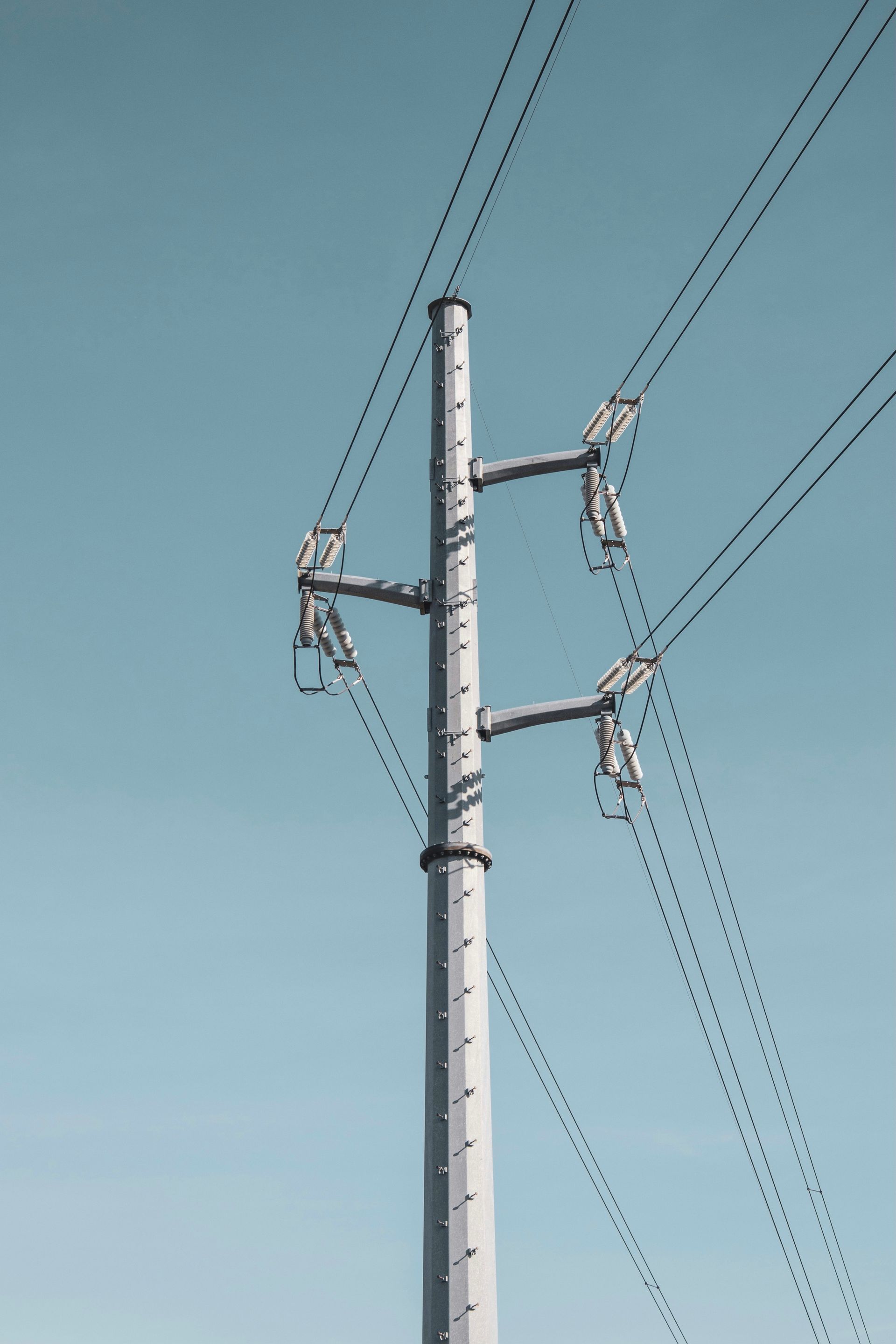
This fee covers the cost of moving electricity across high-voltage transmission lines—think of it as a toll for the energy highway. Managed by regional transmission organizations (RTOs) like PJM Interconnection, this charge ensures: 


  • Reliable delivery across long distances 
  • Access to a diverse mix of energy sources 
  • Maintenance of transmission infrastructure 


The transmission process ends with the supplier sending power to the utility. From there, the utility distributes the supply directly to the end users. 


3. Capacity Charge: Keeping the Lights On During Peak Times 


The capacity charge isn’t about how much electricity you use—it’s about making sure there’s enough electricity available when you need it most. 


This charge helps fund: 


  • Power plants that stay on standby for emergencies 
  • Infrastructure upgrades to handle peak demand 
  • Grid reliability during extreme weather or high usage periods 


It’s a forward-looking cost, often determined through capacity auctions that secure future supply commitments. 


 4. RPS Charge: Supporting Renewable Energy Goals 


If you live in states like Maryland or Washington D.C., your energy bill includes a charge to support 

Renewable Portfolio Standards (RPS). These mandates require suppliers to source a portion of electricity from clean energy like solar, wind, and biomass. 


Here’s what the RPS charge supports: 

  • Renewable Energy Credits (RECs) 
  • Solar and wind farm development 
  • State-level sustainability goals 


Depending on your location, this charge can add 1.5¢/kWh or more to your bill—but it’s an investment in a cleaner future. 


 Conclusion: Knowledge Is Power 


Your energy bill isn’t just a list of charges—it’s a reflection of how electricity is produced, delivered, and regulated. The supply portion typically includes: 

  • Raw Power Cost – the electricity itself 
  • NITS Charge – transmission across the grid 
  • Capacity Charge – ensuring availability during peak times 
  • RPS Charge – supporting renewable energy mandates 

With nearly two decades of industry experience, we’re committed to helping you understand your energy costs and make empowered choices. Got questions about your bill or want to explore greener options? We’re here to help. 


By Russell Lacey June 24, 2026
For most business owners, the monthly utility bill is just another line item to be paid and filed away. You glance at the total, ensure it isn't astronomically higher than last month, and move on. But in 2026, with energy markets facing unprecedented volatility and complex new tariff structures, that "glance and pay" strategy is costing American businesses billions in overpayments. The good news? You don’t have to just accept these costs as the price of doing business. Everyone is talking about utility bill audits because they have transitioned from a "nice-to-have" occasional check to a critical financial strategy. At Electric Advisors, Inc., we’ve seen firsthand how a meticulous review of historical invoices can uncover significant refunds and permanent rate reductions. 
By Russell Lacey June 15, 2026
In the world of commercial operations, finding a way to slash overhead by double digits without spending a dime upfront is usually a red flag for a "too good to be true" offer. But in 2026, for businesses operating within the BGE, Pepco, Potomac Edison, and Delmarva utility territories across Maryland and Delaware, this isn't a sales pitch, it’s a regulatory reality. Community solar has evolved from a niche pilot program into a mainstream financial strategy for savvy business owners. If your business pays its own utility bills but doesn't have the roof space, the capital, or the long-term lease to install traditional solar panels, community solar is your bridge to immediate savings. The good news? You can typically reduce your monthly electricity spend by 8% to 12% simply by enrolling. Here is how your business can capture this "easy win." Key Takeaways Zero Upfront Costs: No installation, no equipment maintenance, and no capital expenditure. Guaranteed Savings: Most subscriptions offer a fixed percentage discount (typically 8–12%) on the solar credits applied to your bill. Tenant-Friendly: Perfect for businesses that rent their office, warehouse, or retail space. Market Reach: Available to businesses in BGE, Pepco, Potomac Edison, and Delmarva (MD & DE) territories. Risk Mitigation: Electric Advisors handles the vetting to ensure you choose a project with favorable terms and no hidden cancellation fees.
By Russell Lacey April 17, 2026
For most business owners in Washington, D.C. and Maryland, June 1st marks the unofficial start of summer: the return of rooftop happy hours, tourists swarming the National Mall, and the inevitable cranking of the HVAC system. But in the world of energy management, June 1st is something much more significant. It is the "Energy New Year." If you manage a commercial property, a non-profit, or a restaurant, this date represents the reset button for how your utility costs are calculated for the next twelve months. While many decision-makers focus solely on the "supply rate" on their bill, there is a hidden mechanism called the Peak Load Contribution (PLC) that could be quietly inflating your costs by thousands of dollars The good news? You aren’t powerless. By understanding how the grid works and taking a few strategic steps this spring, you can "beat the surge" and secure better financial predictability for your organization. The June 1st Milestone: Why It’s the "Energy New Year" In the Mid-Atlantic region: specifically within the territories served by utilities like Pepco and BGE: we operate under the PJM Interconnection . PJM is the regional transmission organization that coordinates the movement of wholesale electricity across 13 states and D.C. Every year on June 1st, PJM begins a new "delivery year." This is the date when the "Capacity Tags" (or PLC) assigned to every commercial building are updated based on the previous summer’s usage. Why does this matter to you? Because the capacity charge often makes up 25% to 40% of a commercial electricity bill. If your building was inefficient during the hottest days of last summer, you are about to pay the price for it starting this June. Conversely, what you do this summer will dictate your fixed costs for June 2027 through May 2028.  The Hidden Problem: Understanding Capacity Charges and Your PLC Most business owners look at their bill and see "Kilowatt-hours (kWh)": that’s how much energy you used. But the Capacity Charge is based on your "Peak Load Contribution." Think of it like a "reservation fee" for the grid. PJM needs to ensure there is enough power available if every single building turned on every single light and AC unit at the exact same moment. To fund this readiness, they charge businesses based on their highest usage during the grid's "Five Peak Hours" of the previous summer. The Problem: If your restaurant, condo building, or school had a massive spike in usage on a Tuesday afternoon in July when the grid was stressed, your PLC (or Capacity Tag) will be high. You will then be billed at that "peak" rate every single month for the following year, regardless of how little energy you use in the winter. For many commercial clients, this is a "ghost charge" that feels impossible to control. But with the right services , it becomes a manageable variable.