
Understanding Renewable Energy Credits
A Beginner's Guide To RECs

With the recent and rapid growth of the renewable energy market in the United States, you may have heard the term “RECs” thrown around quite a bit. The Environmental Protection Agency defines Renewable Energy Certificates (RECs) as “a market-based instrument that represents the property rights to the environmental, social, and other non-power attributes of renewable electricity generation”. But what does all that even mean? Let’s talk about it.
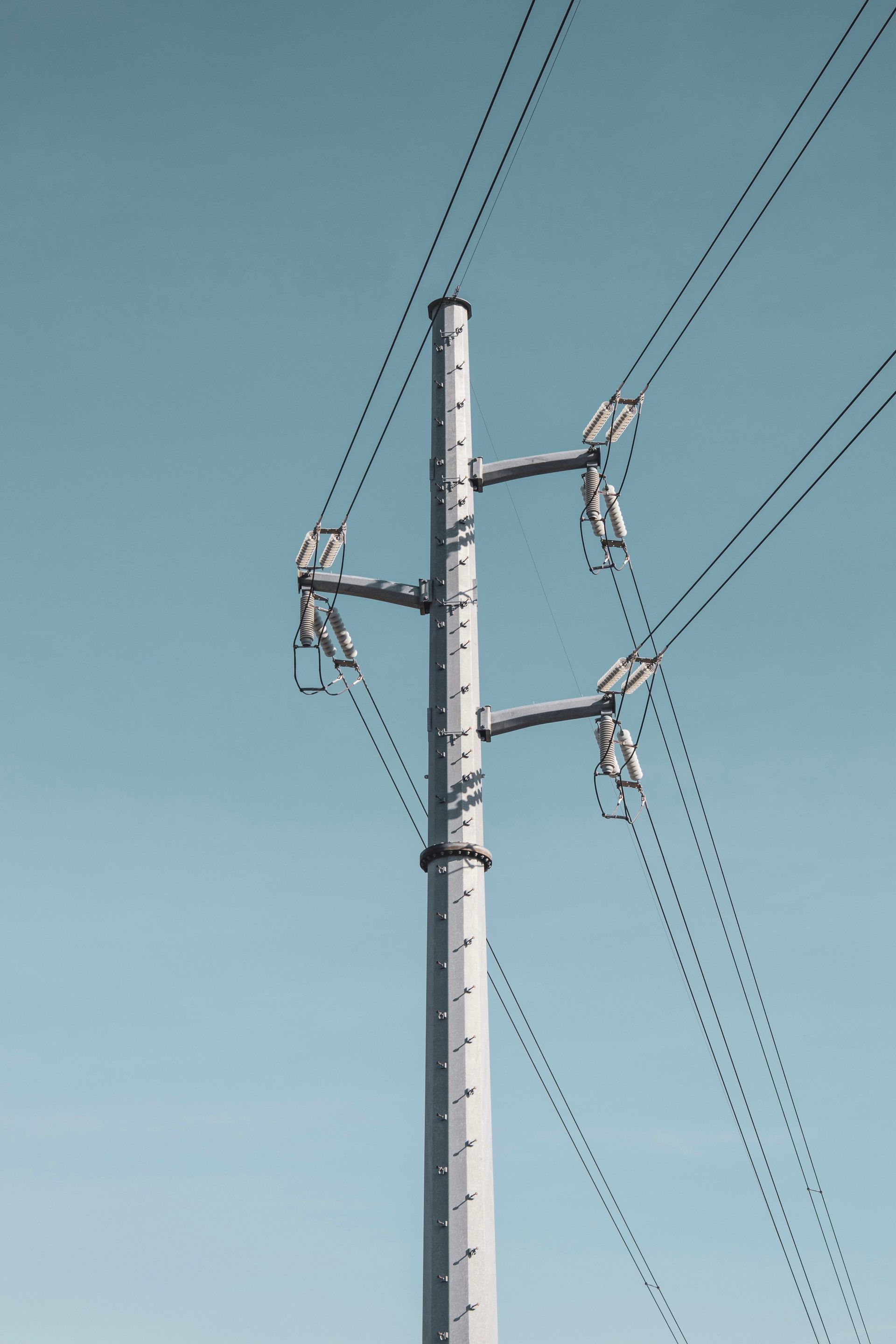
If you’re a part of the power grid, meaning that you are not generating all of your own power on site (solar panels on the roof, for example), how can you be sure that the electricity you’re getting through the power lines is green? Unfortunately, you can’t. Once the green energy is generated via solar, wind, geothermal, or another method, it’s all pumped into the power grid to be distributed to buildings across the country, mixing with all the traditionally generated power along the way. Think of a bag of marbles; if you had five blue marbles and put them into a bag with 15 other blue marbles, after shaking that bag up it’s impossible to tell which ones started out as YOUR blue marbles.
Since the purchase of green energy doesn’t ensure that you will actually receive green energy through the grid, there needed to be another way to give credit to those consumers who had purchased it. This is where RECs come in.
For every megawatt-hour (MWh) that is produced by renewable resources, the producer of that energy receives one REC. The REC is a certificate confirming that this producer has generated one MWh of electricity using renewable resources, and the REC itself becomes a physical representation of the social and environmental benefits of that one MWh of clean energy. These RECs can then be sold and serve to track and account for renewable energy generation and use, as well as a second source of income for power generators.
When most people purchases renewable energy, what they are really purchasing are RECs. The purchase of these RECs essentially funds the generation of clean energy, and you, the buyer, receive credit for supporting renewable power. So even though your five blue marbles got lost in the mix, you still get credit for contributing them in the first place.
In short, RECs are an affordable and accessible way for ordinary people to take advantage of the booming renewable energy industry in the United States. The information in this article is not comprehensive- RECs are a very complex thing. If you’re interested in the nitty-gritty details of RECs, we recommend visiting this page from the U.S. Environmental Protection Agency or checking out this article by David Roberts at Vox.